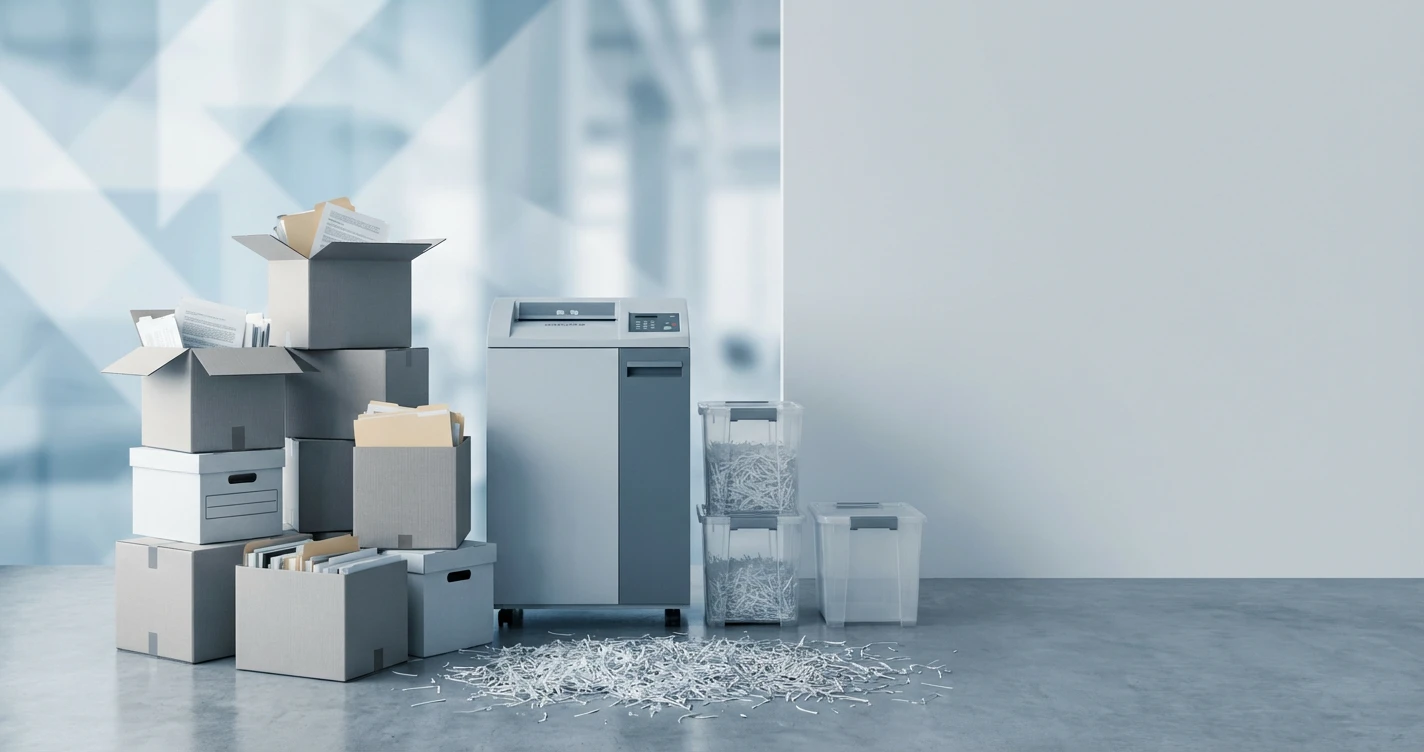
Do you have old tax papers, bank statements, and medical records in your basement? They could put you at risk for identity theft. But should you just throw them in a fire?
This guide explains why burning documents seems like a good idea. We’ll show you the serious problems you might not know about. We’ll also explain when professional shredding services work better for your home or business in the Fraser Valley and Greater Vancouver.
We’ll compare burning and shredding. You’ll learn about local laws that could cost you money. We’ll look at how each method affects the environment. And we’ll show you safe ways to destroy documents without breaking the law.
Should You Burn Documents Instead of Shredding?
No. Burning documents at home is not a good idea. Fire does destroy paper. But burning documents at home breaks city laws in most Canadian cities. It creates fire dangers. It releases harmful smoke. It often leaves pieces of paper that people can still read.
Professional shredding services give you certified destruction. They follow privacy laws like PIPEDA and BC PIPA. They destroy everything completely. You don’t face legal problems or safety risks.
Burn barrels and backyard fires are illegal in most BC and Ontario cities.
Want safe document destruction without risk? Learn about professional document shredding in Vancouver.
Why People Think About Burning Documents
Let’s talk about why burning seems to make sense.
Burning costs nothing. You don’t need to buy a shredder. You don’t need to pay anyone. Many people think fire destroys paper completely. They think no one can read it afterward. Doing it yourself feels private. No one else touches your private documents.
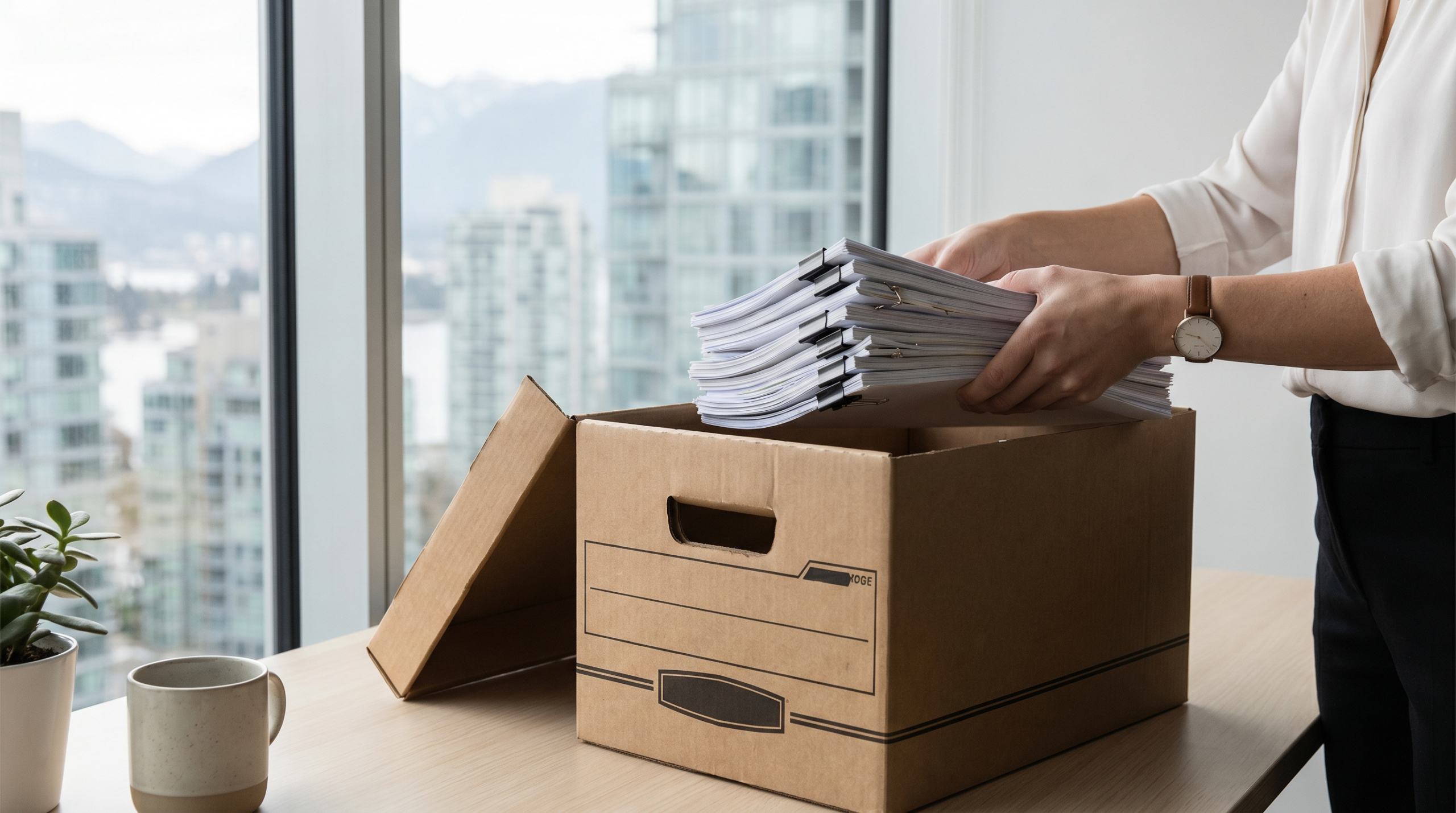
Many things make people want to burn papers. Spring cleaning finds boxes of old files. Businesses close and have years of paperwork. People move to new homes and need to get rid of documents. After a family member dies, you have to handle their papers quickly.
We hear from many clients who tried burning first. They learned it doesn’t work the way they expected. Here’s what really happens:
Why people think about burning:
- It costs zero dollars
- They think fire removes all evidence
- They keep their privacy
- They need to clear space fast
This makes sense. But does burning really keep your information safe?
The Problem: Why Burning Doesn’t Work
Burning sounds perfect. But it’s not.
Papers that are partly burned can still be read. The edges burn but the middle stays safe. This happens a lot when documents are stacked together. Wind blows pieces away before they burn completely. Those pieces land in your yard. They land on your neighbor’s property. They blow down the street.
Backyard fires don’t get hot enough. Paper needs very high heat to turn completely to ash. Home fire pits and burn barrels often leave text you can read. Account numbers stay visible. Signatures don’t disappear.
Professional shredders cut paper into tiny pieces. Each piece is 160mm² or smaller. This follows ISO/IEC 21964 rules. Each sheet becomes thousands of tiny pieces. No one can put them back together. Burning gives mixed results. Some areas burn. Others don’t.
Businesses have another problem. Rules say you need proof that you destroyed records. Burning doesn’t give you any proof. You can’t show auditors that you destroyed information properly.
How they compare:
| Method | Piece Size | Can You Prove It? | Official Papers | Can Someone Put It Back? |
| Burning | Different sizes | No | Not given | High—people can read pieces |
| Cross-cut shredding | Tiny particles | Yes | Available | Very low—thousands of pieces |
| Professional shredding | Tiny or smaller | Yes | Certificate given | None—certified process |
Even if burning worked every time, there’s a bigger problem.
Laws and Safety Problems with Burning Documents
City laws in British Columbia don’t allow open burning in most areas. Vancouver, Burnaby, Surrey, Richmond, and Coquitlam all ban backyard fires. Breaking these rules costs money.
Provincial fire rules have big fines. If you burn during a ban, you might get a ticket for $1,150. You might have to pay $10,000. If a court finds you guilty, the fine can be $100,000.
Fire codes exist to keep people safe. Burning paper near buildings or fences creates fire risks. One strong wind sends burning pieces onto a roof. They land in dry grass. They blow against a wooden deck. Your home insurance might not cover damage from illegal burning.
Burning documents makes toxic smoke. Ink has chemicals that make harmful smoke when burned. Glossy paper creates more toxins. Staples and metal make more problems. If you burn papers in a wood stove, those toxins get into your home’s air.
Neighbors complain. This brings bylaw officers to your home. They can give you tickets right away. If you do it again, you might go to court. The fines get bigger.
City rules examples:
- Vancouver: No open burning allowed
- Burnaby: No open fires allowed in homes
- Surrey: All backyard burning banned
- BC Provincial: Fines start at $1,150 for breaking fire bans
<div style=”padding: 20px; background: #f5f5f5; margin: 20px 0; border-left: 4px solid #0066cc;”> <strong>Don’t pay fines. Don’t risk fires. Get safe document destruction.</strong> <a href=”https://infoshred.ca/paper-shredding-vancouver/”>Professional document shredding in Vancouver</a> gives you certified, legal destruction without risk. </div>
How Burning and Shredding Affect the Environment
So if burning is risky and shredding seems wasteful, what should you do?
Burning paper makes air dirty. It releases small particles and carbon monoxide. It releases chemicals. When paper burns, it creates toxic compounds. These include benzene and formaldehyde. They go into the air. Areas with many backyard fires have worse air. This is especially true in summer.
You can recycle shredded paper in many city programs. You just need to put it in the right container. Many Metro Vancouver cities accept shredded paper. Put it in a paper bag or small box. Put it with your paper recycling. Recycling plants turn shredded documents into new paper. They make cardboard. They make packaging.
Professional shredding services send destroyed documents to recycling plants. We work with certified recyclers. They handle paper waste the right way. This creates a circle. Your old documents become new paper. They don’t release toxins into the air.
Environment comparison:
| What It Affects | Burning Documents | Recycling Shredded Paper |
| Air quality | Releases harmful particles and chemicals | No pollution from destruction |
| Carbon footprint | High—burning creates waste | Lower—recycled into new products |
| Toxic release | Ink chemicals go in the air | Stays in recycling process |
| Resource recovery | Zero—everything lost | 100%—paper becomes new material |
Burning inside creates more problems. Using a wood stove for documents puts chemical smoke in your living space. Children face health risks. Elderly family members face health risks. People with breathing problems face health risks.
What Really Works: Good Ways to Destroy Documents
Several options give you safe destruction. They don’t have burning’s problems.
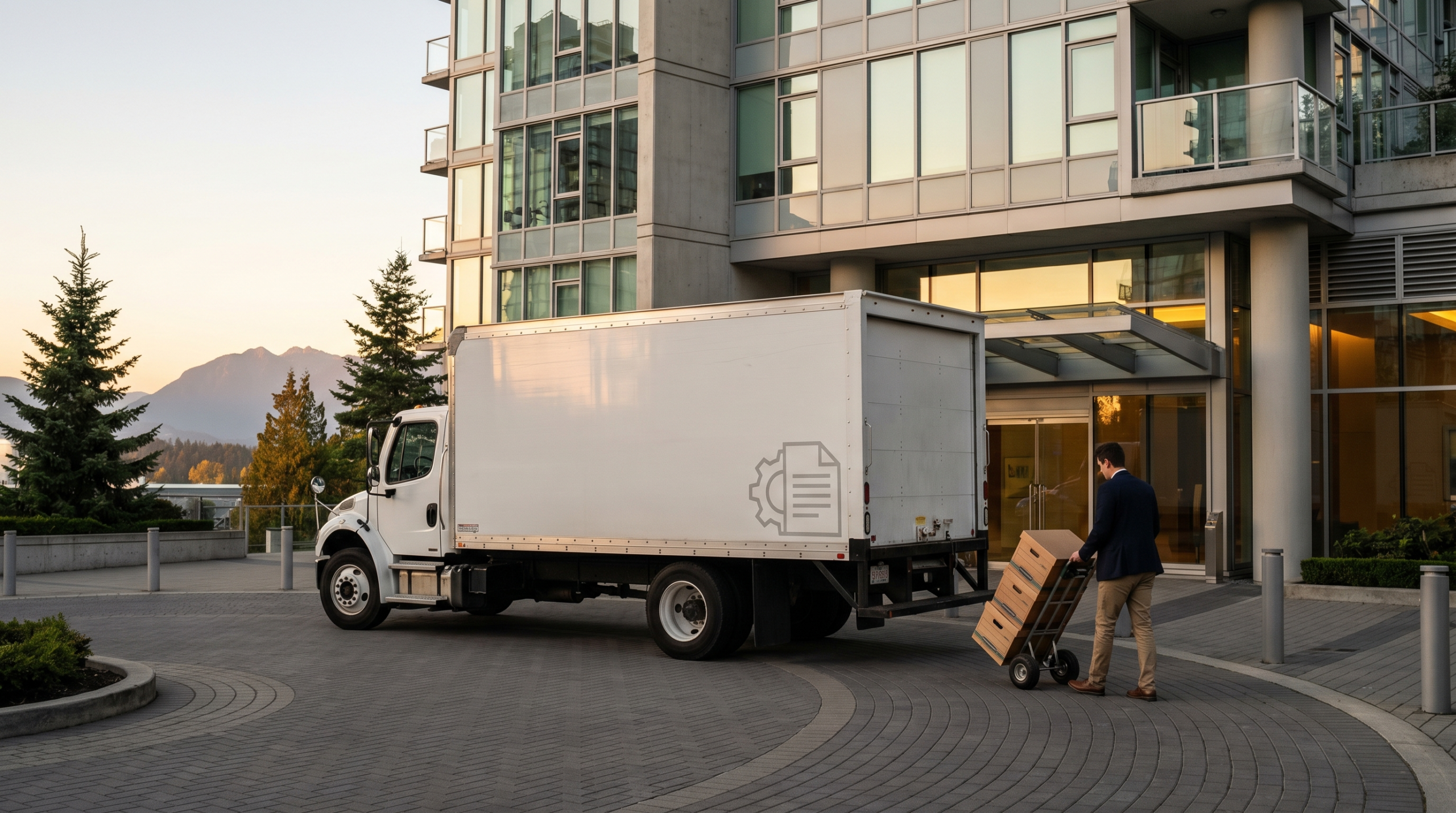
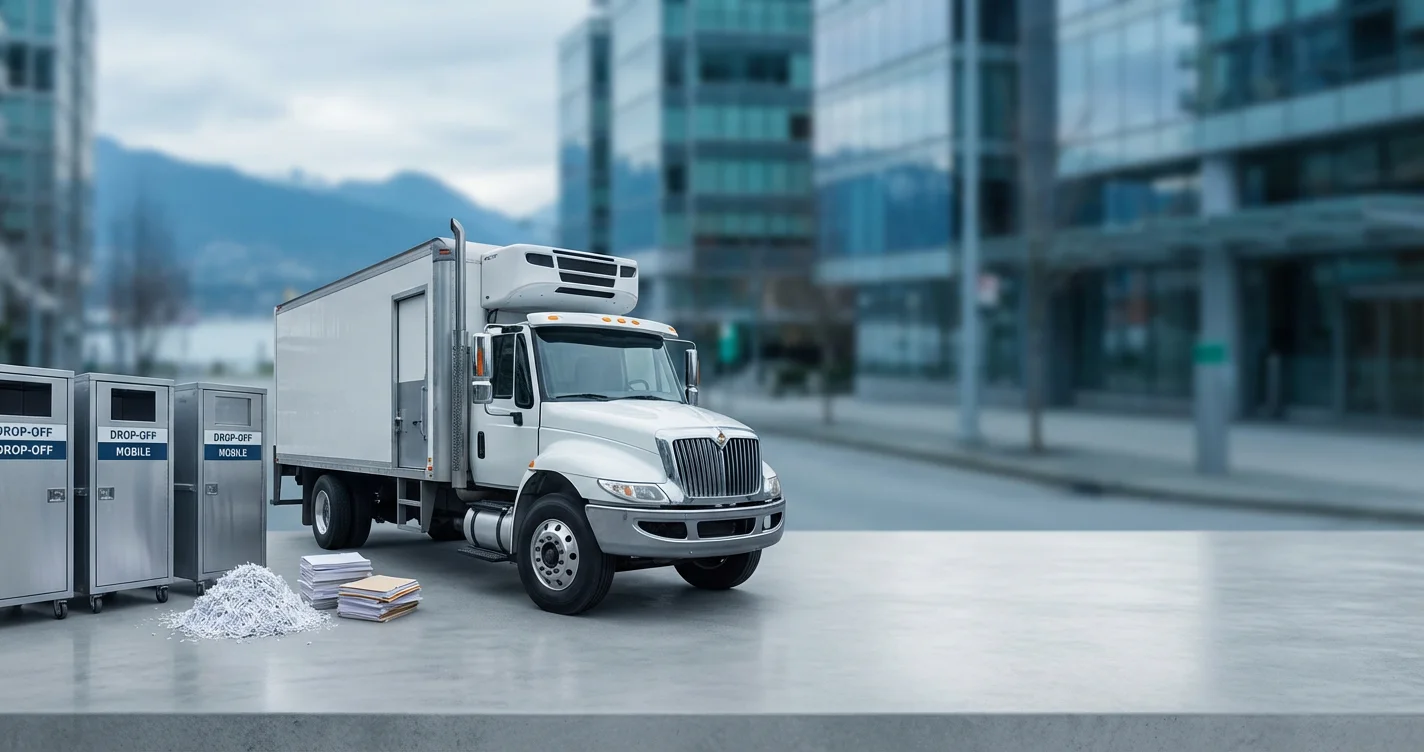
Mobile shredding services bring big shredders to your location. We shred documents while you watch. You get a certificate right away. This works great for one-time clean-outs. It works for office closures. It works for estate clean-outs. Professional services give you certified destruction. They follow PIPEDA and BC PIPA rules.
Drop-off shredding programs work at community events and stores. Many cities have shred days each year. Residents bring documents for free destruction. Office supply stores have drop-off bins. These work for people with small, regular shredding needs.
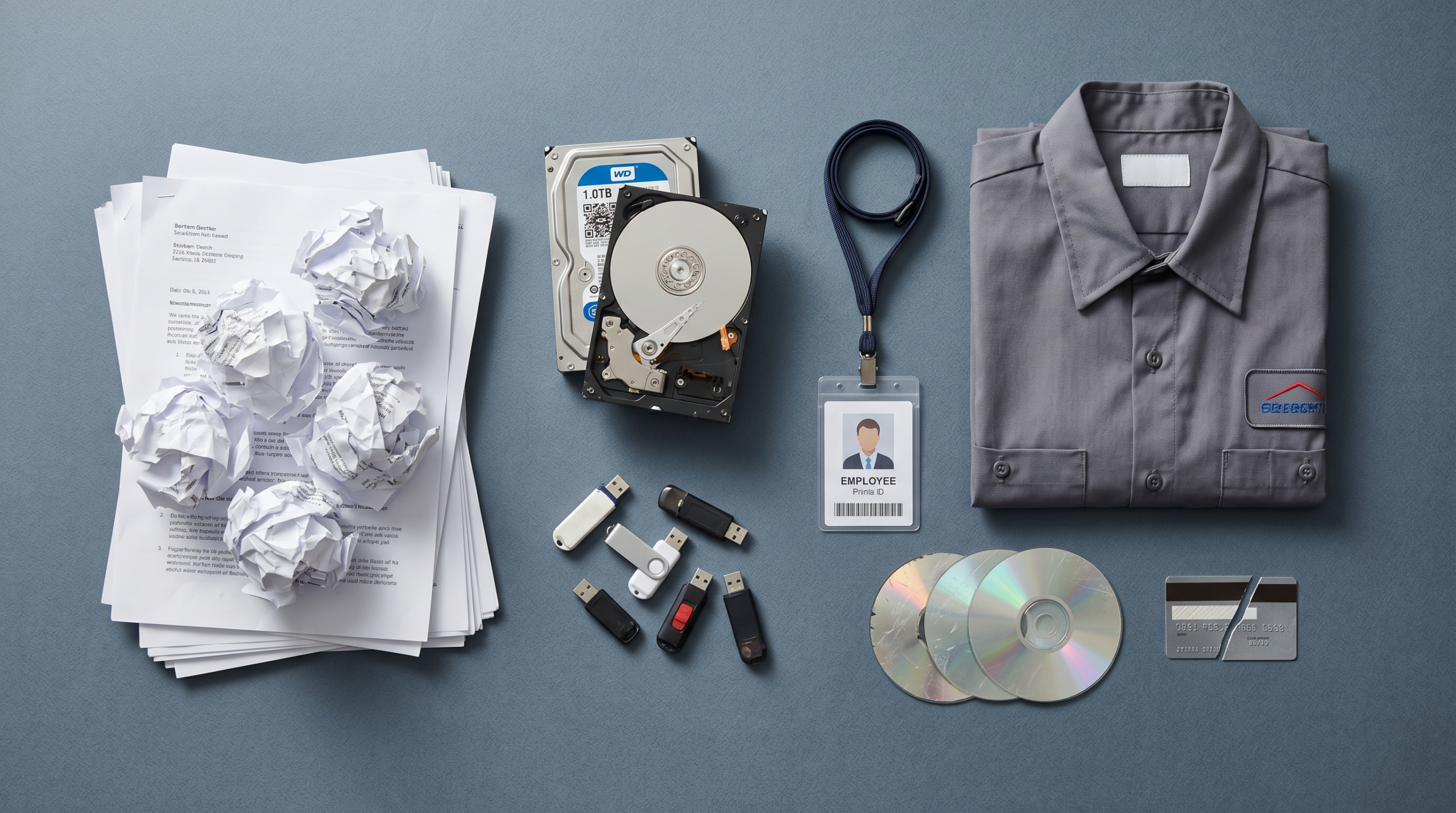
Cross-cut shredders handle ongoing home or small business needs. Good models make tiny particles. They meet P-4 security ratings. These follow ISO/IEC 21964 rules. Buy a shredder if you process fewer than 10 sheets each week. Buy one if you don’t need official papers.
Pulping services handle very large amounts. Big companies use pulping. Government agencies use it. This method turns paper into slush. No one can put it back together.
Method comparison:
- Mobile shredding: Professional service | Best for one-time clean-outs, following rules
- Drop-off programs: Often free or cheap | Good for small amounts, no rush
- Home shredders: You buy equipment | Good for less than 10 sheets weekly
- Pulping services: Get a quote | Very large amounts only
For businesses and large one-time jobs, one option works best.
When Professional Shredding Is Worth Paying For
Professional shredding becomes necessary when rules require it. PIPEDA says Canadian businesses must protect personal information. This includes when they destroy it. Organizations must make guidelines. They must have procedures for destroying personal information.<sup>1</sup> Provincial privacy laws like BC’s PIPA say the same thing. Financial services need this. Healthcare providers need this. Legal firms need this. They must have records of how they destroy private information.
One-time clean-outs make professional service worth it. Estate clean-outs have decades of papers. Office closures create urgent needs. Moving to a smaller home forces decisions about stored documents. Professional services handle large amounts fast.
Official papers matter for some industries. Law firms need certificates. Medical clinics need certificates. Accounting firms need certificates. These prove destruction happened. They protect you during audits, regulatory reviews, and client inquiries. Choosing the best paper shredding service Vancouver professionals trust ensures you have the ironclad documentation needed to stay compliant.
Think about the time home shredding takes. Professional mobile shredding finishes large jobs in minutes. You’re there to watch. This makes the cost worth it for big amounts.
Use professional services when:
- Your business must follow PIPEDA, BC PIPA, or industry rules
- You’re clearing an estate, office, or storage unit with years of files
- You need certificates for audit records
- You have more documents than you can shred at home
- Time and following rules matter more than doing it yourself
For example, think about a law office. They switch from shredding at the office to quarterly clean-out services. They could save hours of staff time each month. The money they save on staff time makes professional service cost-effective. When you calculate Vancouver paper shredding cost against hourly wages, the savings are clear. Their official papers get better, and the office gets storage space back for active client files.
Make the Safe Choice for Document Destruction
Burning documents has legal problems. It has safety problems. It has security problems. It has environmental problems. Any money you save isn’t worth it.
City laws in British Columbia don’t allow backyard burning. Provincial fire violations can cost you $1,150 to $100,000. Papers that are partly burned can often still be read. This defeats the whole purpose. Toxic smoke hurts air quality. It hurts your health. If you’re looking for a safer, legal alternative, you can compare Vancouver paper shredding cost options to see how affordable professional destruction actually is.
Professional shredding gives you certified destruction. It follows PIPEDA and BC PIPA rules. The process takes minutes, not hours. Shredded paper gets recycled into new products. It doesn’t release toxins.
Greater Vancouver laws don’t allow open burning in home areas. Secure home document destruction gives you safe choices. You don’t break the law.
Get a free quote for secure, certified document destruction in Vancouver. Call us at 604-716-9464. Email us at info@infoshred.ca. We provide mobile shredding services throughout the Fraser Valley. We offer same or next day service.
Citations
1. Office of the Privacy Commissioner of Canada. Personal Information Retention and Disposal: Principles and Best Practices
https://www.priv.gc.ca/en/privacy-topics/business-privacy/breaches-and-safeguards/safeguarding-personal-information/gd_rd_201406/
Related services from INFOshred: paper shredding in Vancouver · onsite document destruction